The high mountain mint that supplied Spanish silver
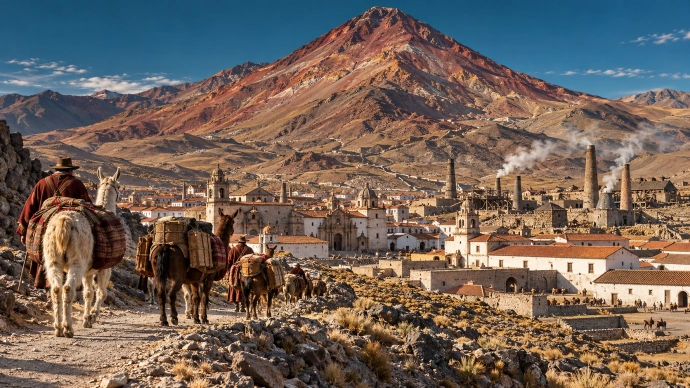
Perched over 4,000 meters high in the Andes, the mint at Potosí transformed a mountain of silver into millions of coins that fueled global commerce for centuries.
The traditional method of striking a blank disc between hand-held dies using a hammer.
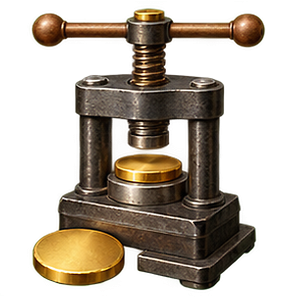
Coins produced with water, horse, or steam-driven screw presses for exact uniformity.
The difficult art of carving master punches and hardening steel dies with reversed designs.
The smooth metal discs prepared, weighted, and annealed before receiving a stamped design.
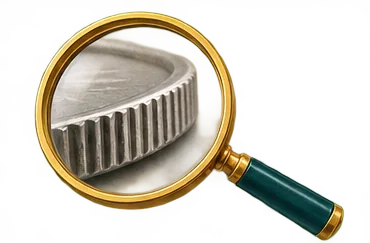
Grooved, reeded, or lettered rims introduced to prevent fraudulent clipping and shaving.
Small letters, symbols, or privy marks showing which minting facility struck a coin.
Fascinating mechanical mistakes including off-center strikes, double dies, and clipped flans.
National and state institutions chartered to produce government currency and medals.
Perched over 4,000 meters high in the Andes, the mint at Potosí transformed a mountain of silver into millions of coins that fueled global commerce for centuries.
You have reached the end. More discoveries are on the way.
We tell the stories behind coins with clear explanations, useful sources and a sense of discovery.
Our approach